















Innovation

Row of wind turbines in a desert valley with mountains behind, representing a regenerative global energy system and clean energy transition.

Beyond Sustainability: Shaping a Regenerative Global Energy System

A regenerative system is designed to restore value. That means ecological value, social value, and long-term economic value. It also means stronger infrastructure, better governance, and lower exposure to systemic risk (Buckton et al., 2023). The traditional sustainability model focused on reducing harm. That work still matters. However, it no longer matches the scale of the […]

Beyond Sustainability: Shaping a Regenerative Global Energy System Read Post »

Energy, Environment, Government, Innovation

Equality in Energy Transitions — Why it Matters

Introduction In an era where gender equality is recognised as a driver of economic growth, integrating gender perspectives and needs into the energy transition is crucial. As the world shifts from fossil fuel dependence to clean energy, it is essential to ensure that this transition benefits everyone, with particular attention to women, girls, and marginalised

Equality in Energy Transitions — Why it Matters Read Post »

Energy, Environment, Innovation, Society

Feeding the Future: Can Cultured Meat Help End Hunger and Create Jobs?

A Technology Still in Its Infancy Cultured meat, often called lab-grown meat, is still experimental. Research shows it is far from supermarket-ready (Olenic & Thorrez, 2023). While companies promote it as identical to traditional meat, current results suggest otherwise. Flavour, texture, and nutrition vary, and production costs remain high. Despite these hurdles, cultured meat continues

Feeding the Future: Can Cultured Meat Help End Hunger and Create Jobs? Read Post »

Business, Health, Innovation, Science
Aerial view of a well-planned city with a central lake surrounded by green spaces

Energy Mapping for Resilient Cities: Digital Tools to Power Affordable and Clean Futures

Introduction Cities are often engines of growth, but in the 21st century, they are also epicentres of vulnerability. More than half of the world’s population resides in cities, and by 2050, this figure will increase to 68% (United Nations, 2019). As a result, urban areas already consume over 70% of global energy (UN-Habitat, 2020). This

Energy Mapping for Resilient Cities: Digital Tools to Power Affordable and Clean Futures Read Post »

Energy, Environment, Innovation, Science
product design

The Circular Ripple: Product Design’s Role in Water Sustainability and Pollution Prevention

What is Circular Product Design? Circular product design is an approach that reimagines the lifecycle of products, aiming to minimise waste and maximise resource efficiency. Unlike traditional linear models, where products are made, used, and discarded, circular design emphasises reuse, repair, remanufacturing, and recycling. This methodology is pivotal in addressing environmental challenges, particularly concerning water

The Circular Ripple: Product Design’s Role in Water Sustainability and Pollution Prevention Read Post »

Environment, Innovation, Sustainability

Infrastructure That Heals: Designing for Thrivability in a Climate-Changed World

Introduction In the world we live in today, it is increasingly evident that we are facing a changing climate. This demands urgent action, either through adaptation or mitigation strategies. Urbanisation continues to rise. It is estimated that by 2050, 68% of the global population will reside in urban areas (United Nations, n.d.). It is now

Infrastructure That Heals: Designing for Thrivability in a Climate-Changed World Read Post »

Environment, Innovation, Sustainability

From the Depths to the Stars: How AI Boom Is Driving a New Era of thrivability in Beyond Sustainable Computing

The future of ai Visualization of a future AI server architectureSource: Getty Images Alan Turing’s brilliant concepts and ideas of “computation” and “algorithm” set the base for one of the first hypothetical computing devices, giving rise to the concept of artificial intelligence (AI) (Capra and Luisi, 2014). Since 2020, the use of AI has surged.

From the Depths to the Stars: How AI Boom Is Driving a New Era of thrivability in Beyond Sustainable Computing Read Post »

Energy, Innovation, Space, Technology

The Implications of New Species Discoveries: What They Reveal About Our Changing Planet

Introducing the Importance of New Species Discoveries New species discoveries are vital for understanding the vast array of biodiversity that exists on our planet (BBC, 2024). Each discovery changes our perception of the function of ecosystems and the consequences of losing species. There is still much we do not know about life on Earth, hindering

The Implications of New Species Discoveries: What They Reveal About Our Changing Planet Read Post »

Environment, Innovation, Sustainability

Veganism, activism, and political interference in effective messaging

The Rise of Vegan Activism in a Politicised World Animal welfare and the recognition of animal sentience are a core part of a thrivable society. Thrivability goes beyond mere sustainability, towards a regenerative and flourishing future. Animal agriculture causes huge environmental and human health impacts. Impacts range from climate change to biodiversity loss, mass deforestation,

Veganism, activism, and political interference in effective messaging Read Post »

Government, Innovation, Media, Society

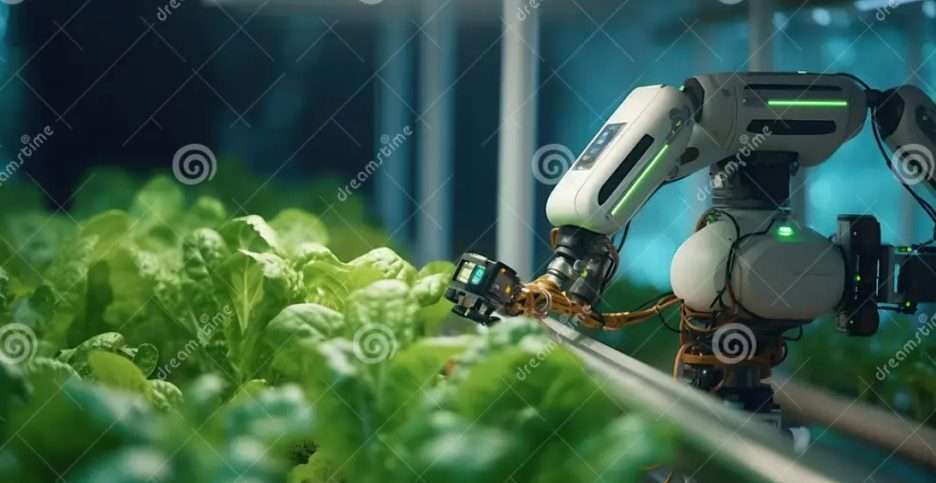
Smart Agriculture: AI-Powered Farming

Emerging agriculture farming has established the use of AI technology, particularly in developed countries. However, this is not the case in all developing countries (Singh & Kaur 2022). The United Nations estimates that there will be 9.7 billion people on earth by 2050, significantly increasing the demand for food (Putterill, 2023). Hence, policymakers in both

Smart Agriculture: AI-Powered Farming Read Post »

Environment, Innovation, Sustainability
Scroll to Top